
Whoa! I opened Phantom for the first time last year and felt an odd mix of relief and suspicion. My instinct said: this is cleaner than most wallets I’ve used. Hmm… something about the UI felt effortless. It was fast, and the Solana apps loaded without the usual hang-ups. But I wasn’t blind to the tradeoffs.
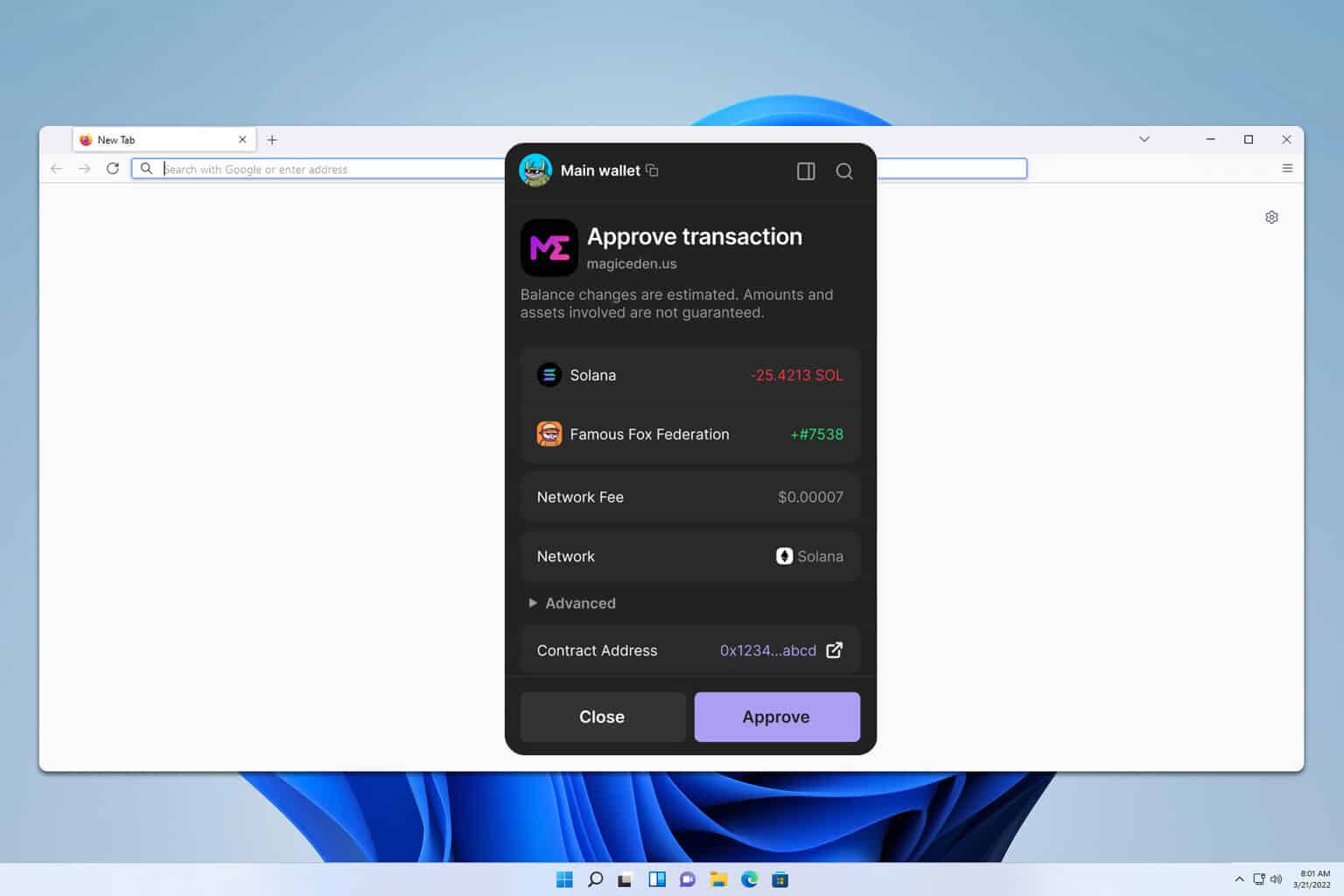
Short story: Phantom makes many things easier. Really. It tucks private keys behind a password, integrates with DeFi and NFTs on Solana, and gives you quick access from your browser toolbar. At the same time I noticed little things that bugged me, like permission prompts that felt a touch too eager. Initially I thought the prompt design was just convenience, but then I realized it nudged me toward approving dapps without reading carefully — not great. On one hand that onboarding friction is good for mainstream users; though actually it raises risk for folks who muscle-click through.
Okay, so check this out—if you want to try Phantom in a browser, there’s one place I used to grab the extension that I trust for that first install: phantom wallet download extension. This is where I started my setup. I’ll be honest: I double-checked the domain and reviews before clicking, and you should too.
What I Like About the Phantom Browser Extension
Short note: it’s snappy. The UX is tidy. The design feels native to Chrome and Brave, which matters. I’m biased toward clean interfaces. It’s easier to approve transactions and switch accounts without a mobile app. Also, the in-wallet token swaps are fast and often cheaper thanks to Solana’s throughput. My workflow changed; I found myself checking an NFT drop quick-like between coffee sips at a Williamsburg cafe (oh, and by the way, that’s a real thing—time zones matter).
There’s more under the hood though. Phantom supports hardware wallets, which is huge. Initially I thought the browser extension alone was secure enough, but then seeing how Ledger integration handled signing changed my view. Actually, wait—let me rephrase that: for everyday, low-risk moves the extension is fine, but for meaningful value I put the Ledger in the loop. This layered approach — extension for convenience, hardware for high-value signing — is what I now follow.
Something else: the permission model. Phantom asks for site access and wallet interactions. My gut said to deny wide-ranging permissions unless necessary. And yes, that extra click slower, but it saved me from a bad approval once. Password managers help. Seed phrases must never leave your device. Seriously?
Installation Tips (Practical, Not Scary)
First impressions can mislead. I started by reading a few reviews and scanning social mentions. That felt very low-effort. Then I installed the extension and created a new wallet. The UI walked me through seed phrase backup. I’m not 100% sure everyone follows that — many people skip the backup step — but backing up is the single most important safety habit.
One practical rule I use: create a throwaway account for testing dapps before connecting your main wallet. Try tiny transactions first. If a dapp asks for broad access or repeated approvals that look odd, pause. My instinct has saved me from approving one or two suspicious requests.
Also, keep your browser updated and avoid installing dozens of random extensions. I’ve seen conflicts that cause weird prompts. The extension ecosystem is messy sometimes; somethin’ about that bugs me.
Security: What to Watch For
Short and blunt: seed phrases belong offline. Never paste them into web forms. Never take a screenshot of them. Sounds obvious, but people do it. Long-term thinking helps: use a hardware wallet for large balances and enable any available privacy or protective settings.
On one hand, browser extensions are convenient. On the other hand, they add an attack surface if your system is already compromised, so keep antivirus updated and avoid shady downloads. I’ve personally kept a small test wallet funded and the rest locked on Ledger — that approach reduces stress. Something felt off early on when I noticed repeated permission prompts from a single dapp; that was a red flag.
When in doubt, step away and ask in a trusted community or search for reports. It’s okay to be slow about approving transactions. Slow is safe.
How Phantom Fits Into the Solana Ecosystem
Phantom isn’t just a wallet; it’s a bridge to apps on Solana. It streamlines NFT marketplaces, staking, and swaps. That matters when gas is low and speed is everything. I used to bounce between a mobile app and a browser setup; now I mostly stay in a single browser context and that continuity helps my flow. But again, continuity invites complacency, so I keep routines that shake me out of autopilot — like reconfirming destinations before signing big txs.
On a technical note, Phantom’s integration with Solana RPC nodes and wallet adapters makes it well-suited for devs and power users too. You can connect to custom RPC endpoints if you know what you’re doing (and why). I’m not telling novices to tweak that—I’m just saying the flexibility is there if you need it.
FAQ
Is the Phantom browser extension safe to use?
Short answer: mostly, yes — if you follow basic safety habits. Don’t paste your seed phrase into sites, keep your browser and OS updated, test dapps with a small balance first, and consider pairing Phantom with a hardware wallet for anything meaningful. I’ll be honest: no wallet is perfect, but the extension’s support for hardware keys and its active user base make it a practical choice.
Where should I get the extension?
Grab the extension from a trusted source — I used a link I vetted: phantom wallet download extension. Verify the site and read a few recent reviews before installing. If something feels off, pause. Your caution will pay off.
Alright—here’s the closing thought. I came in curious and a little skeptical. Over time I found Phantom changed my daily Solana habits for the better, while teaching me to be more cautious, not less. Something about that balance is satisfying. I’m biased toward tools that blend speed with sensible safety, and Phantom mostly fits that bill. But keep a healthy dose of suspicion, check permissions, and protect your seed phrase — because convenience without care is a fast way to regret.